
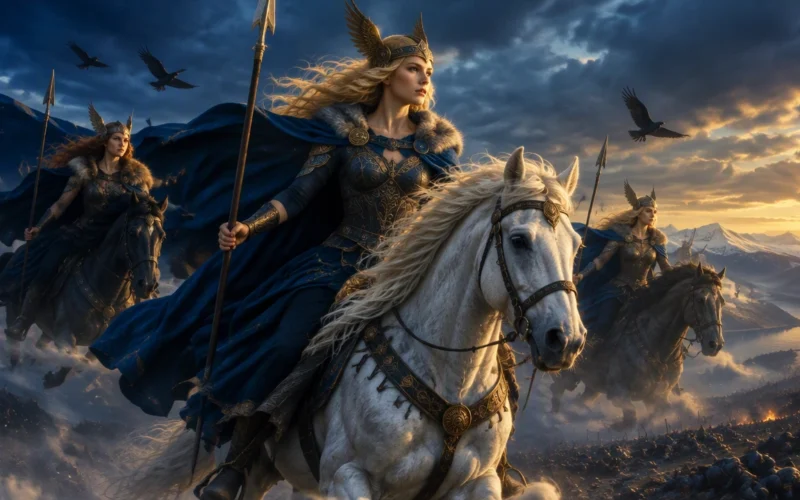
Valkyries, Choosers of the Slain: Names, Roles, and Appearances in Eddic Poetry
What were Valkyries, choosers of the slain, role in Norse poetry and early belief? This article separates myth from modern fantasy using Eddic sources.
What were Valkyries, choosers of the slain, role in Norse poetry and early belief? This article separates myth from modern fantasy using Eddic sources.
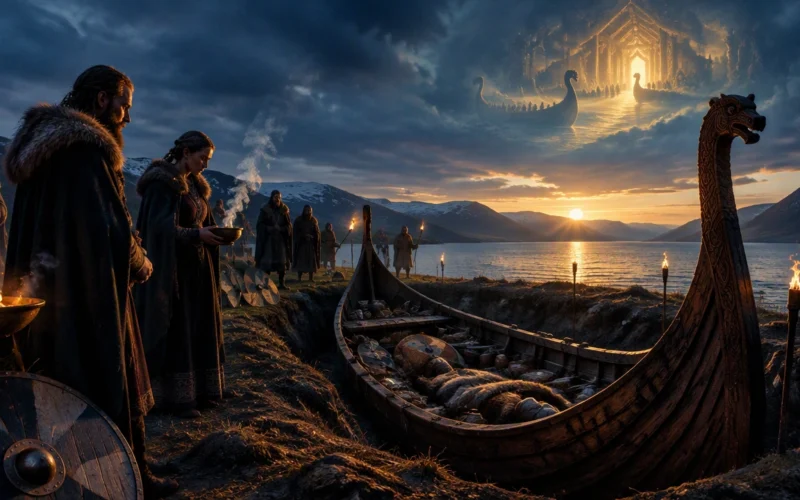
Cremation, mound, and ship burials reveal how Vikings honored the dead, guided souls, and expressed status through grave goods.
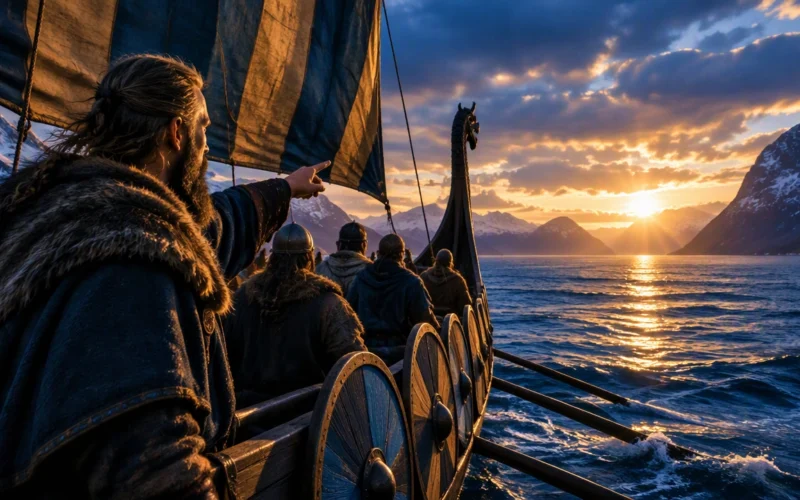
Viking ship design and sun-compass navigation turned open-ocean voyages into repeatable routes for raiding, trade, and exploration.
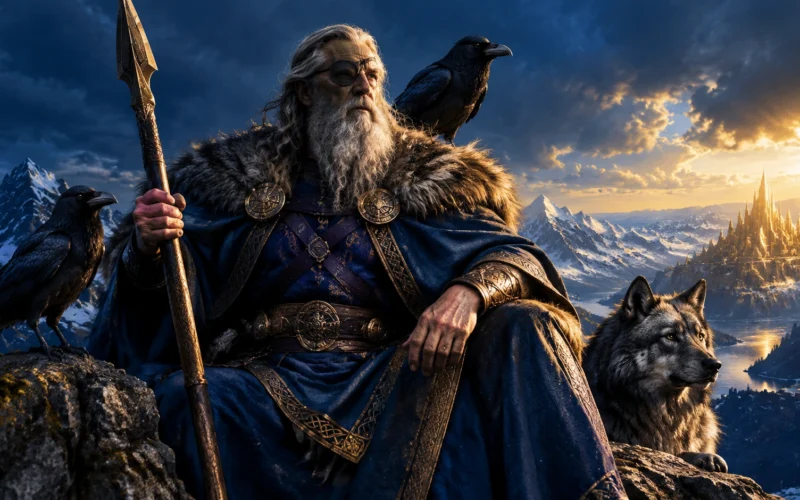
Explore Odin's many names, his self-sacrifice for wisdom, and his complex leadership of the Aesir beyond the popular one-eyed image.
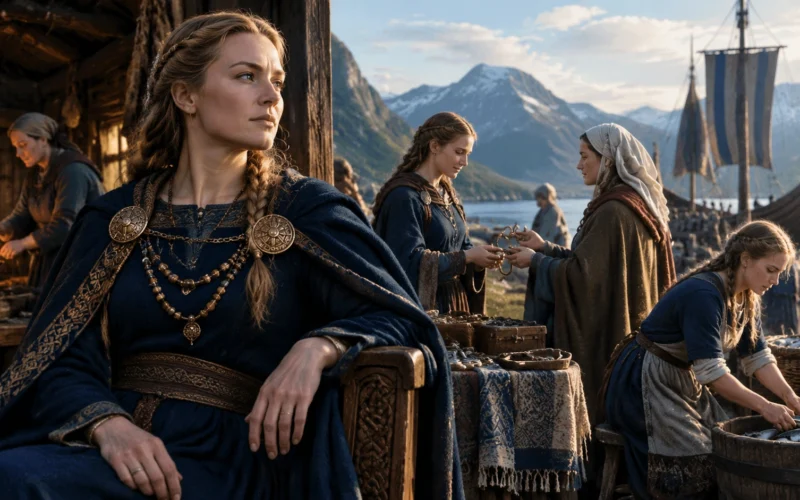
Legal rights, household authority, and evidence for women as traders and travelers in the Viking Age.
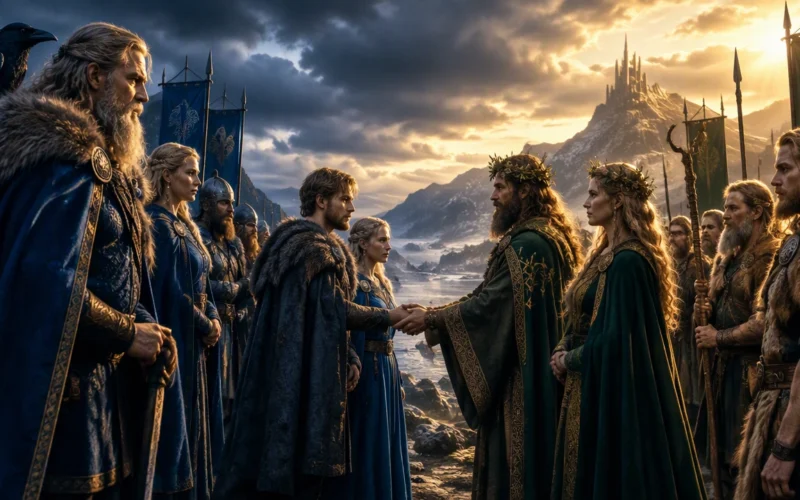
The Aesir-Vanir war and hostage exchange myth explains how two rival divine clans merged into one pantheon through conflict, truce, and reconciliation.
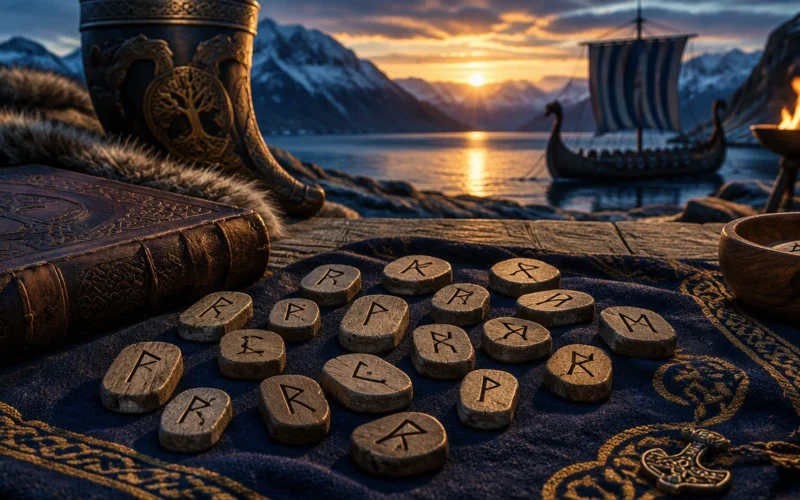
Explore the 24-character Elder Futhark, its phonetic values, inscriptional use, and mythic role in early northern history.
Loki moves from Odin’s oath-brother to father of monsters and enemy of the gods, until the gods bind him beneath the earth.
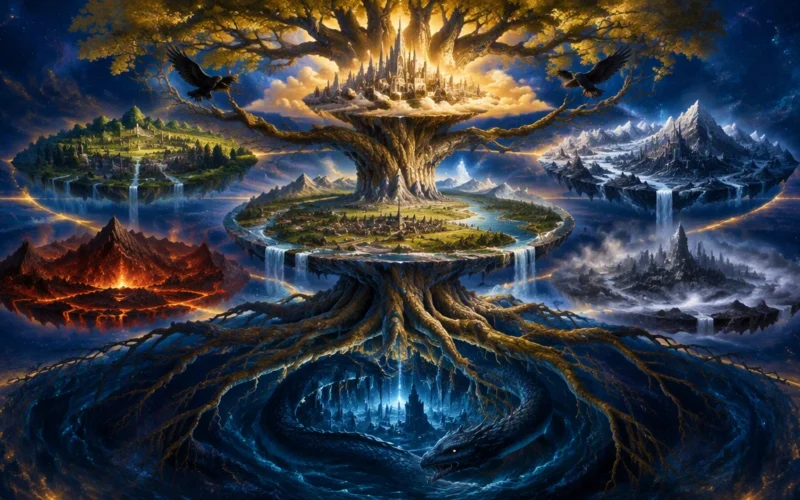
Norse cosmology arranges the Nine Worlds around Yggdrasil, linked by roots and branches that guide gods, dead, and travelers.
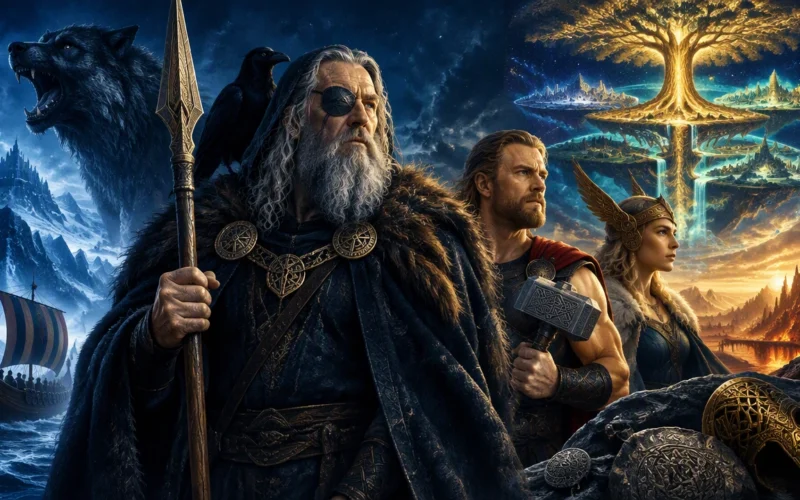
A beginner-friendly overview of Norse mythology: its sources, cosmology, deities, worlds, and historical context in the early North.