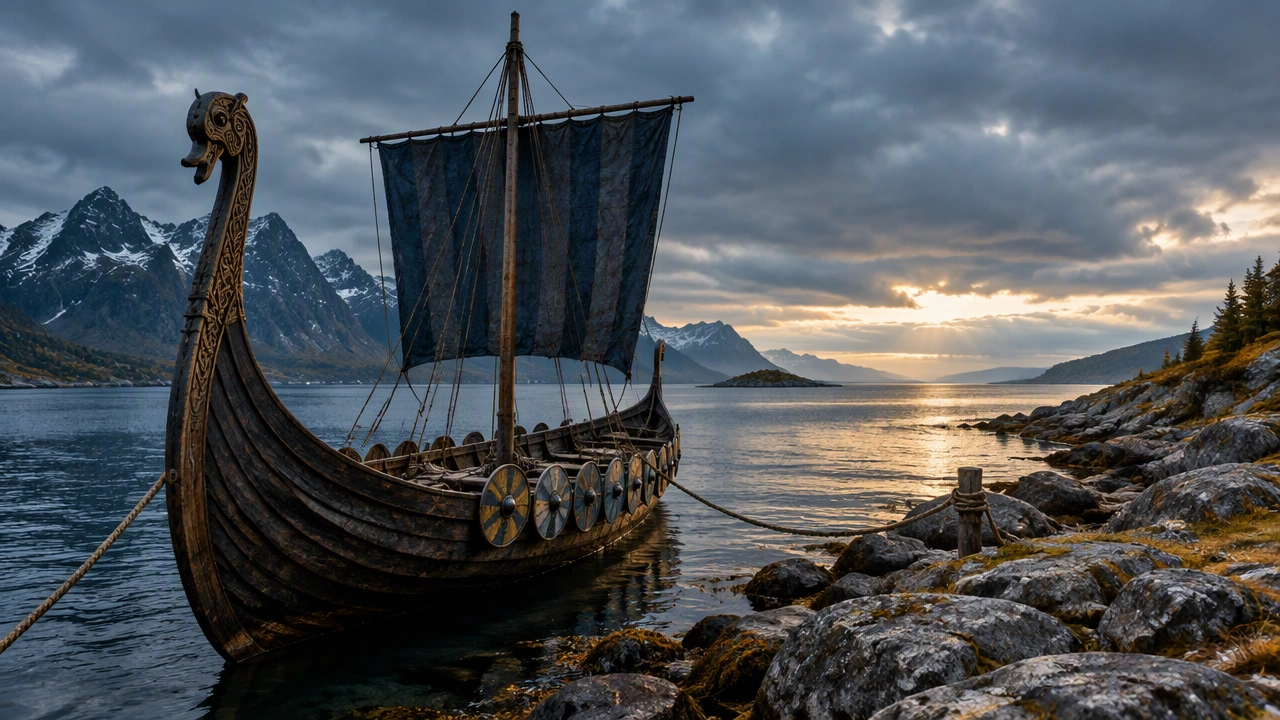
The popular image of the Viking often suggests a sharply defined Scandinavian identity, but the historical reality was more fluid. Viking activity spanned several centuries, many regions, and many kinds of movement: raiding, trading, settling, serving abroad, and negotiating with local powers. A person could take part in a voyage without fitting the modern stereotype, and communities in Scandinavia were themselves diverse and changing. The question “How Scandinavian were the Vikings?” therefore asks about identity, belonging, and cultural exchange rather than a simple checklist of objects or genes. Archaeological finds show Norse material culture moving outward while foreign influences entered Scandinavia. Runes, weapons, ships, jewelry, and burial practices can indicate connections, but they do not automatically reveal a person’s language, loyalty, or self-understanding. Participants should distinguish between the Viking Age, later medieval memory, and modern national narratives. What evidence best supports a strong Scandinavian identity? What evidence complicates it? Please bring specific examples from archaeology, chronicles, law, or settlement studies and avoid treating a diverse historical process as a single fixed category.